
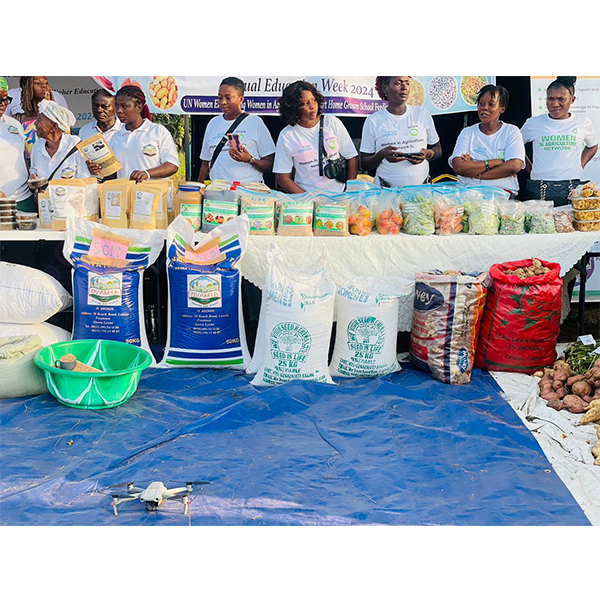
Ma Nyande Women's Development Organization (MNWDO) supports women farmers in Sierra Leone to boost agricultural productivity and sustainability. Operating in rural areas like Bo and Falaba Districts, we provide resources, training, and gender-friendly tools to cultivate crops like rice, onions, cassava, and orange-flesh sweet potatoes, while also promoting poultry and fish farming.
Our programs focus on increasing crop yields and diversifying income through cooperative farming and value addition, such as processing cassava into laundry starch. By providing access to seeds, fertilizers, and mechanized tools like power tillers, we help women overcome barriers and make farming a viable career, contributing to Sierra Leone’s Feed Salone initiative.
MNWDO collaborates with partners like UN Women, the Ministry of Agriculture, and Njala University to support innovative farming practices. Our poultry and aquaculture initiatives, including tilapia farming in azolla ponds, provide protein sources and income, while internships with Njala University engage youth in modern agriculture.
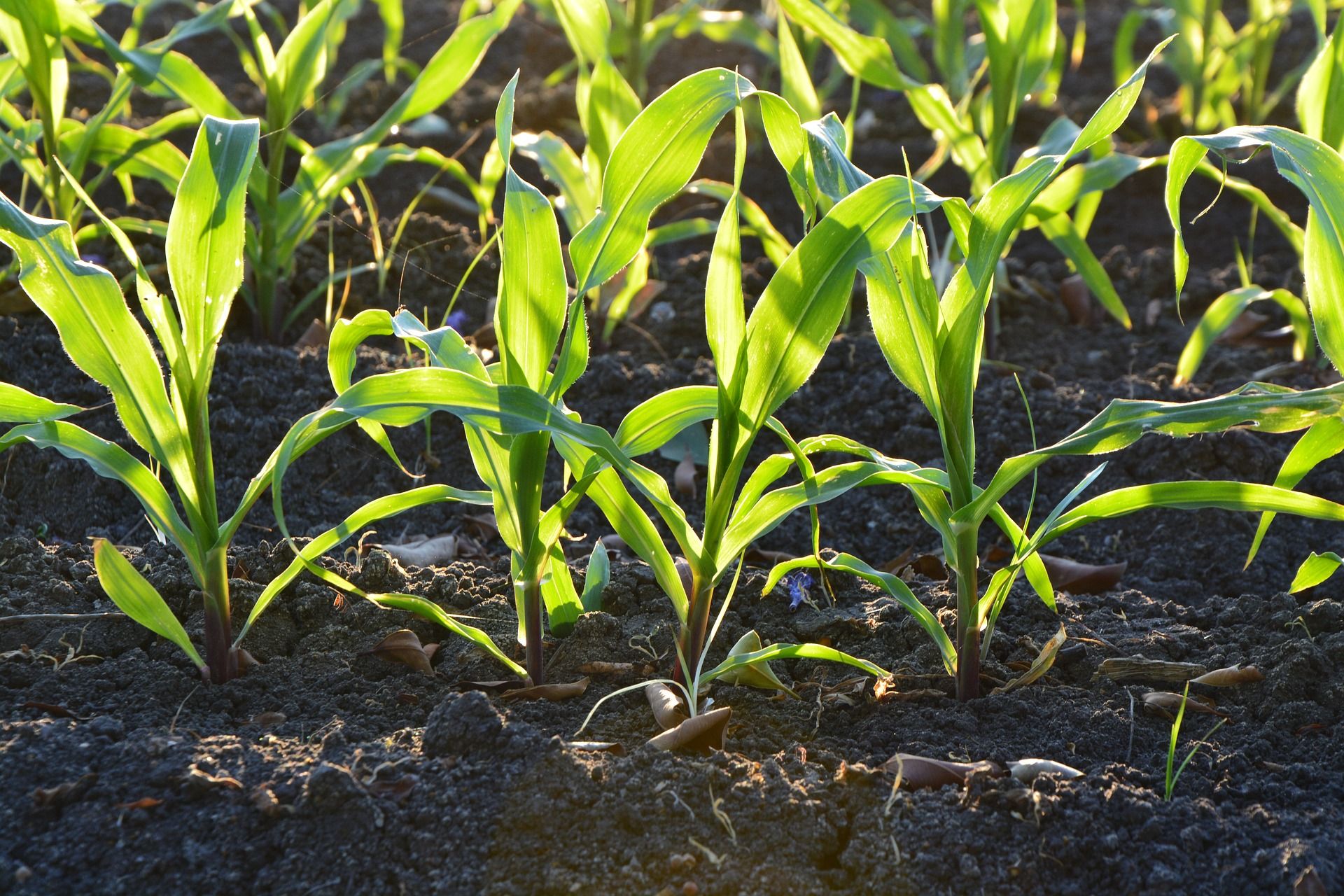
MNWDO’s farming and production efforts empower women and youth to lead Sierra Leone’s agricultural transformation. By combining traditional knowledge with modern tools and markets, we are cultivating not just crops, but opportunities for a brighter, more sustainable future.
